
21 Forgotten Kitchen Features We’re Glad Are Coming Back

For a long time, the dream kitchen seemed to involve making almost everything disappear. Cabinets stretched neatly from wall to wall. Appliances hid behind matching doors. Countertops were kept almost completely bare.
Islands grew bigger, upper cabinets became flatter and anything that looked a little old-fashioned was quietly removed in the name of updating the room.
But some of those older kitchens knew a thing or two.
They had furniture that could move, shelves that put everyday things within reach, proper places for plates and pans, curtains that softened hard surfaces and storage designed around how people actually cooked.
Forgotten Kitchen Features
Many of these traditional kitchen features are beginning to find their way back into newer homes, and it is easy to see why. They make a kitchen warmer, more useful and much less like it arrived as one enormous matching set.
Here are 21 forgotten kitchen features we are very happy to see again.
1. The Freestanding Kitchen Dresser

If there is one old-fashioned kitchen feature I would bring back everywhere, it might be the kitchen dresser. Before walls were filled with continuous fitted cabinetry, dressers provided drawers, cupboards, shelves and display space in one handsome piece of furniture.
They are particularly useful if you own attractive everyday dishes. Fill the shelves with plates, bowls, pitchers and glasses rather than treating the dresser as somewhere to display purely decorative pieces.
An antique pine, oak or painted dresser can also break up a run of modern cabinets beautifully. It does not need to match them. In fact, it is often better when it doesn’t.
2. Proper Larder Cupboards

A tall larder cupboard makes so much sense that it is strange we ever stopped using them.
Instead of spreading food across several small cabinets, a larder gives dried goods, baking ingredients, spices and jars one dedicated home. Traditional versions often had shelves inside the doors too, making use of every inch.

If you do not have room for a walk-in pantry, a freestanding larder can give you some of the same organization in a surprisingly small footprint. Choose one that looks more like a piece of furniture than a standard kitchen cabinet and it becomes a kitchen feature rather than something to hide.
3. Working Kitchen Tables

Before enormous islands became the default center of the kitchen, people often worked at a table. There is something wonderfully relaxed about bringing that idea back.
A sturdy wooden table can be used for chopping vegetables, rolling pastry, folding laundry, doing homework, drinking coffee and eating dinner. It can also be moved, unlike an island permanently fixed to the floor.

For a traditional kitchen look, choose a table with plenty of wear already on it. Scratches and marks are not a problem in a working kitchen. They are practically permission to use the thing properly.
4. Butcher’s Blocks and Dairy Tables

Not every kitchen has space for a full table, which is where smaller freestanding work pieces come in. Old butcher’s blocks, prep tables and dairy tables give you an extra surface without making the room feel dominated by cabinetry.
They work particularly well in smaller kitchens where a large island would make movement awkward. Look for solid wood, turned legs, old drawers or stone and marble tops.
You can even add a lower shelf for baskets and heavy cookware. The beauty is that it feels like furniture first and kitchen equipment second.
5. Built-In Plate Racks

Plate racks used to have a very practical job: keeping frequently used plates easy to grab and allowing washed dishes to dry. They also happen to look lovely.
A wooden plate rack above the sink, tucked into a dresser or incorporated into cabinetry adds vertical rhythm to a kitchen and gives plain crockery much more presence.
You do not need an expensive collection either. Everyday white dishes look beautiful lined up together, while blue-and-white china, floral plates or mismatched vintage kitchen accessories can make the rack a focal point.
This is one of those kitchen features where usefulness and decoration become exactly the same thing.
6. Ceiling-Mounted Pot Racks

Copper saucepans are far too attractive to spend their whole lives in a drawer. Ceiling-mounted pot racks once made use of overhead space while keeping heavy cookware within reach. They are particularly effective above a central work table or island.
The trick is not to overload them. Hang the pans and tools you genuinely use, then leave enough breathing room so the rack looks purposeful rather than crowded.

Copper brings warmth, while black iron works beautifully in rustic kitchens and aged brass suits something more refined. And yes, a row of well-used pans generally looks better than a perfectly coordinated set.
7. Wall-Mounted Pot Rails

If a ceiling rack feels too dramatic, the humble pot rail may be even more useful. A simple brass or iron rail mounted above a countertop can hold pans, ladles, strainers, scissors, measuring cups or small baskets.
It keeps useful tools off the counter without hiding everything behind doors.
This is also one of the easiest forgotten kitchen features to introduce without renovating. A single rail can bring an old-fashioned working-kitchen feeling to even a fairly modern room.

Just resist turning it into a display of utensils nobody ever touches. The charm comes from seeing things that are genuinely used.
8. Sculleries

The scullery has returned for a very good reason: kitchens have become social spaces.
Traditionally, a scullery was where messier household jobs happened. Today, a small secondary room can hold the dishwasher, second sink, recycling, food preparation equipment and all those appliances you would rather not have sitting on the main countertop.
Of course, most homes do not have room to simply add another kitchen.
But the principle can still be borrowed. A utility room beside the kitchen, a pantry with a countertop, or even a tucked-away appliance area can keep the main room calmer without requiring everything to be hidden inside expensive integrated cabinetry.
9. Glazed Kitchen Cabinets

Glass-front cabinets strike a lovely balance between open shelving and closed storage. They keep dust away from dishes but still let beautiful glassware, ceramics and serving pieces become part of the room.
Traditional kitchens often used glazed upper cabinets, display cupboards and dressers rather than covering every wall in solid doors.
If a whole wall of glass feels too busy, use it selectively. One cabinet beside a range or a tall glazed cupboard at the end of a run can be enough.
Reeded or lightly textured glass is another option when you want a little more forgiveness inside.
10. Cafe Curtains

It is hard to think of a simpler way to make a kitchen feel softer. Cafe curtains cover only the lower part of a window, giving you privacy while allowing daylight to continue pouring in above.
They work especially well over a sink, where long drapes would be impractical and are perfect in cottagecore design.
Try gingham, ticking stripes, tiny florals or simple washed linen. Keep the rod uncomplicated and let the fabric hang naturally rather than making it overly formal.
They are inexpensive too, which makes cafe curtains one of the easiest ideas on this list to try if your kitchen feels a little cold or bare.
11. Sink Skirts and Cabinet Curtains

Fabric beneath a sink disappeared from many kitchens once fitted cabinets took over, but it can be incredibly charming in the right room. A sink skirt is particularly useful for softening a kitchen filled with stone, tile, wood and hard cabinetry.
The safest approach is to keep the shape simple. Choose linen, ticking, gingham or a restrained floral and gather it gently beneath the sink or countertop.
You do not need to curtain every cabinet. One small area is plenty.
It is also a clever solution for an awkward open section where custom cabinet doors would be unnecessarily expensive.
12. Stained Wood Cabinetry

For years, painting wooden cabinets seemed to be the automatic route to renovating an older kitchen feel newer. Now warm wood is being appreciated again.
Oak, walnut, pine and other natural finishes bring depth that a room full of painted surfaces sometimes lacks. Grain, knots and variations in tone all add interest without needing extra decoration.
You do not have to commit to an entire kitchen of dark wood either.
Try a wooden island, freestanding cabinet or lower cabinets with painted uppers. Pair wood with warm white, olive, muted blue or stone and the result feels classic rather than heavy.
13. Hardware That Looks Better With Age

Highly polished hardware can look beautiful, but there is something especially suited to a traditional kitchen about metal that changes as you use it. Unlacquered brass, aged bronze, antique brass and copper develop variation and patina rather than staying exactly the same forever.
Use cup pulls on drawers, small knobs on cabinets and simple latches on pantry doors.
If you already have good hardware, think twice before replacing it simply because the finish has dulled. A little tarnish can actually make the rest of the kitchen feel more convincing.
Not everything needs to look brand new.
14. Decorative Ceramic Tile

Kitchen backsplashes became very quiet for a while, but patterned and handmade-looking tiles are giving walls personality again. Delft-style blue-and-white tiles are especially beautiful in traditional kitchens, but you can also look at hand-painted florals, checkerboard patterns, earthy terracotta and irregular glazed tiles.
You do not need to cover every wall. A small tiled section behind the range or sink can provide enough pattern while allowing the rest of the kitchen to remain simple.

If you are using antique or reclaimed tiles, slight differences between them are part of the appeal.
15. Deep Apron-Front Sinks

Farmhouse, apron-front and Belfast-style sinks have endured because they are not only attractive, they are genuinely useful. A large deep basin makes washing roasting pans, mixing bowls and oversized cookware considerably easier.
White fireclay is the classic choice, but stone, copper and other materials can create a stronger vintage statement. Pair the sink with a traditional bridge faucet or simple aged-brass fittings rather than something overly ornate.
And if you love the old-fashioned look but want modern practicality, choose the sink for its size and durability first. A kitchen still has to work.
16. Beadboard and Tongue-and-Groove Paneling

Older kitchens rarely relied on completely plain drywall. Beadboard and tongue-and-groove paneling brought texture to walls, protected busy areas and made simple rooms feel finished.
Today it is a useful way to add traditional character without filling the kitchen with decorative objects. Use it behind a breakfast nook, around a pantry, on the end panels of an island or across the lower half of a wall.
Paint it warm white for a light cottage feel, or try olive, dusty blue, ochre or deep brown for something richer. A matte or eggshell finish usually feels more natural than high gloss.
17. Proper Task Lighting

One thing older kitchens understood very well was that different parts of a room need different kinds of light. Instead of relying entirely on rows of recessed ceiling lights, bring back wall sconces, shaded pendants and small task lights.
A brass wall lamp above a sink, a ceramic pendant over a table or a pair of shaded sconces beside a dresser makes the kitchen feel warmer in the evening. Lighting can also divide a large kitchen into smaller visual zones, which can be really useful over a dark vintage kitchen counter.
The goal is not to make the room dark. It is to make sure you do not need every light blazing at the same intensity just to make a cup of tea.
18. Range Alcoves and Hearth-Style Cooking Areas

The stove used to have more architectural presence. Rather than simply sliding a range into an uninterrupted line of cabinets, traditional kitchens often made the cooking area feel substantial with a chimney breast, alcove, mantel or tiled surround.
You can recreate the idea without building a huge faux fireplace. A deeper hood enclosure, a shelf above the range, decorative tile or slightly different wall treatment can give the cooking area its own identity.
Keep anything near the stove appropriate for heat and cooking conditions, and leave enough clear working space so character never gets in the way of safety.
19. Decorative Cabinet Cutouts

Small hearts, diamonds, circles and other carved openings once appeared in pantry doors and cabinets partly to help with ventilation. Today they can add an unexpectedly charming detail to a simple painted cupboard.
This works best when it is subtle. One larder door or freestanding cabinet with a small decorative cutout is much more convincing than repeating the motif across the whole kitchen.
If you are restoring an old cabinet that already has one, keep it. These tiny quirks are exactly the sort of detail that gives older furniture personality.
20. Breakfast Nooks and Built-In Benches

Not every meal needs to happen around a giant island.
The old-fashioned breakfast nook creates a completely different atmosphere. A built-in bench beside a window, small wooden table and two simple chairs can turn an overlooked corner into one of the most-used spots in the house.
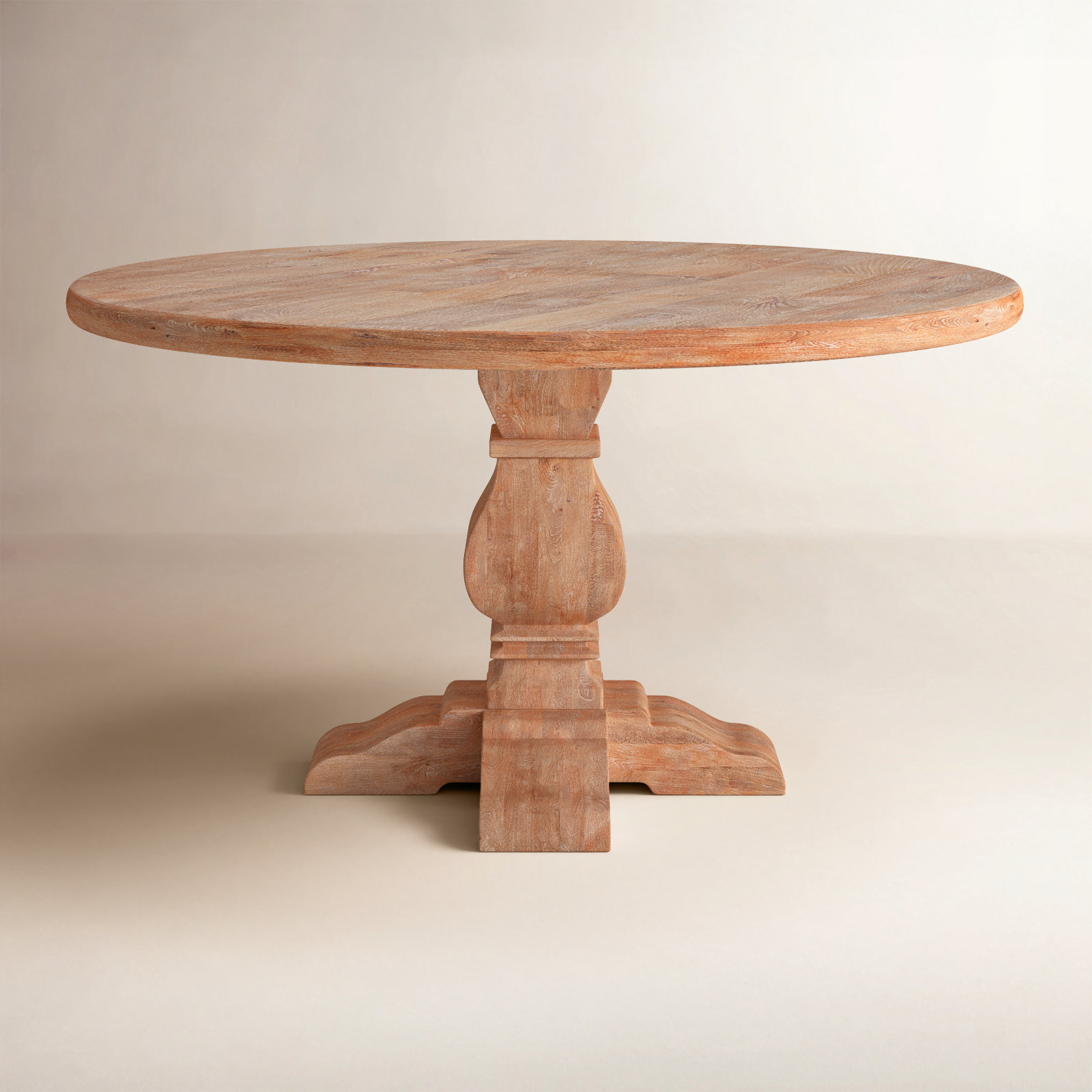
Nooks are particularly useful when space is tight because benches can sit close to walls and often include storage underneath. Add cushions in ticking, checks or a small floral, hang a pendant above the table and keep the styling practical.
It should be somewhere you actually want to eat breakfast, not merely something pretty in a photograph.
21. Peg Rails
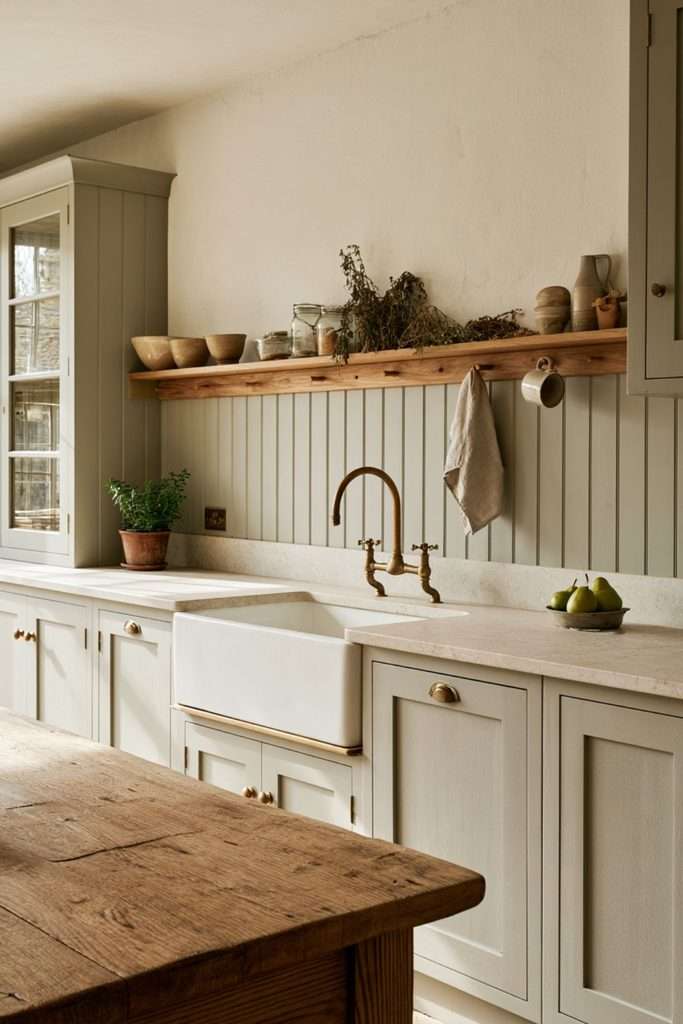
Sometimes the smallest old-fashioned ideas are the most useful. A wooden peg rail can hold aprons, tea towels, baskets, brushes, cutting boards and small kitchen tools while taking up almost no floor space.
Run one along an empty wall, inside a pantry or above a short stretch of paneling. Paint it to match the wall if you want it to disappear slightly, or leave the wood natural for more contrast.

The best peg rails change with daily life. A basket comes down, an apron gets hung up, herbs dry from one hook and a market bag waits on another.
It is storage without making the kitchen feel overly organized.
Why These Old Kitchen Features Still Make Sense

The nicest thing about bringing traditional kitchen features back is that you do not have to recreate an older kitchen from top to bottom.
A modern dishwasher can sit perfectly happily beside a vintage dresser. A new induction range can live beneath a traditional-looking hood. A beautifully organized larder can hide packets of cereal and modern appliances just as easily as it can display glass jars.
The aim is not to pretend you live in another century. It is simply to borrow the ideas that still work.
Older kitchens often relied on sturdy furniture, flexible storage, natural materials and objects kept within easy reach. They accepted that cooking creates a little mess and that useful things can also be beautiful.
So if you are planning a kitchen renovation, or simply wondering why your existing kitchen feels a little too polished, you may not need another new trend.
You might just need to bring back something old.
Disclosure: Some of the links above are affiliate links, meaning that at no additional cost to you, we will receive a very small commission if you click through and make a purchase. These links help to pay the editorial costs of writing a blog. For more information, please read our full affiliate disclosure here.
We also sometimes use Artificial Intelligence Image generators to create some of our images. These are to show you examples of our ideas and inspiration when we cannot produce the real images ourselves.


